Over 35 DTBird & DTBat units installed Q1 2019
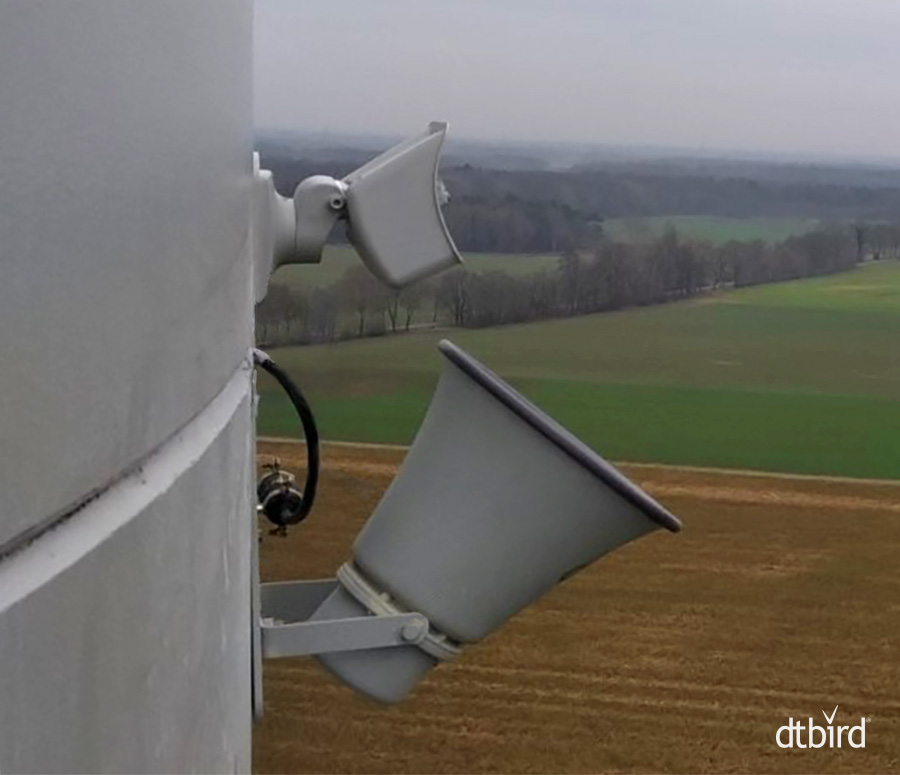
During the first quarter of 2019, more than 35 DTBird and DTBat units were successfully installed across several European countries, including France, Germany, Greece, the Netherlands, and Spain. These deployments reflect the continued growth in demand for AI-led bird and bat monitoring systems that help wind farms operate transparently while supporting wildlife protection.
Strong deployment activity across Europe
Wind-energy developers and operators increased their adoption of DTBird and DTBat systems during Q1 2019, driven by regulatory requirements, environmental needs, and the growing importance of real-time monitoring technologies. The systems installed during this period included both onshore and near-shore wind farms, where visibility, detection accuracy, and species monitoring are critical for operational and compliance needs.
The new units deliver:
- Automatic detection and recording of bird and bat activity.
- Real-time collision-avoidance functions, when applicable.
- High-resolution visual and acoustic monitoring.
- Transparent datasets to support environmental reporting.
Expected installations for Q2–Q3 2019
In addition to the systems deployed in Europe during the first quarter, more than 50 additional DTBird DTBat units were scheduled for installation in Q2–Q3 2019.
These deployments will take place across:
- North America, where the technology is increasingly used in large onshore projects.
- Asia, with growing interest from countries expanding their wind-energy capacity.
- Europe, where additional upgrades and new installations continue to support long-term monitoring strategies.
The expected installations demonstrate the global expansion of DTBird and DTBat systems as reliable tools for integrating wind energy with wildlife-preservation needs.
Looking ahead
DTBird and DTBat remain committed to supporting wind-energy operators worldwide through continuous improvements, system upgrades, and transparent monitoring solutions.
Collaboration with developers, regulators, and consultants helps ensure that each installation meets both operational and environmental objectives.
We look forward to continuing our work together throughout the rest of 2019 and beyond.
— For more information on our project experience, visit our Contact page —