
DTBird and DTBat start operating in The Netherlands
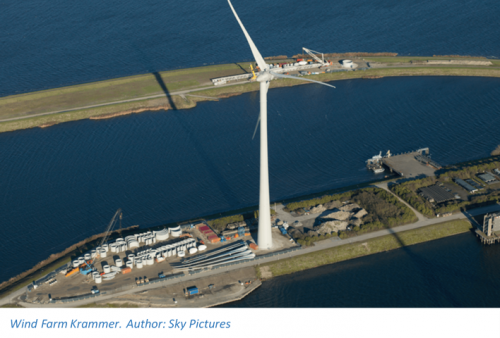
The first DTBirdV8 unit and DTBatD3 unit have started operating at Windpark Krammer, located in Zeeland, the Netherlands. With these installations, DTBird and DTBat begin a new phase of bird and bat protection in Dutch wind farms. Additional units will be installed as turbine construction progresses, and the full deployment is expected to be completed during 2019. These are also the first DTBird & DTBat systems mounted on concrete wind-turbine towers.
Purpose of the DTBird and DTBat systems
The DTBirdV8 model provides automatic bird detection, collision-risk assessment, and mitigation, combining high-resolution video with acoustic deterrence. The DTBatD3 system monitors bat activity around the turbines and can apply curtailment strategies when necessary. Together, these systems help operators reduce the risk of bird and bat collisions while collecting transparent data that can be shared with authorities and environmental stakeholders.
By installing DTBird and DTBat in the Netherlands, Windpark Krammer supports the national and European goals of combining renewable energy generation with wildlife protection. The project will supply real-time information on bird and bat behaviour at the site, contributing to long-term environmental assessments and to the optimisation of mitigation measures.
Windpark Krammer as a reference site
Windpark Krammer is one of the most iconic wind projects in the Dutch delta area. The installation of DTBird and DTBat systems at this location creates a valuable reference for future projects interested in integrating advanced monitoring tools from the early construction phase. Experience gained here will facilitate the deployment of similar solutions in other Dutch wind farms.
— More information about DTBird and DTBat technology can be found on our Models page—